Effective Strategies for Overcoming Dental Challenges in Homebound Elderly Patients

Maintaining good oral health is a challenge for many elderly individuals, especially those who are homebound due to mobility issues, chronic illnesses, or other limitations.
Dental problems in this population often go unnoticed or untreated, leading to pain, infections, and a decline in overall health. Addressing these challenges requires tailored strategies that consider the unique needs of homebound elderly patients.
This article explores practical approaches to improve dental care for this vulnerable group, helping caregivers and healthcare providers support better oral health outcomes.
Understanding the Dental Challenges Faced by Homebound Elderly Patients
Homebound elderly patients often face multiple barriers to maintaining oral health. These include:
Limited access to dental care: Mobility restrictions and transportation difficulties make visiting dental clinics challenging.
Chronic health conditions: Diseases like diabetes and arthritis can worsen oral health or make self-care difficult.
Medication side effects: Many medications cause dry mouth, increasing the risk of cavities and gum disease.
Cognitive impairments: Conditions such as dementia may reduce the ability to perform daily oral hygiene.
Nutritional issues: Poor diet or difficulty chewing can affect oral tissues and overall dental health.
Recognising these factors helps caregivers and healthcare providers develop effective care plans that address both prevention and treatment.
Creating a Supportive Oral Care Routine at Home
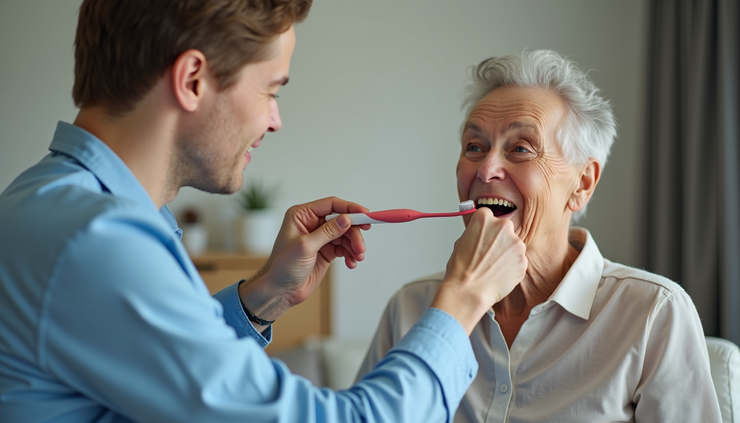
A consistent oral hygiene routine is essential for preventing dental problems. For homebound elderly patients, caregivers play a crucial role in assisting or supervising daily care.
Key steps include:
Brushing teeth twice daily using a soft-bristled toothbrush and fluoride toothpaste. Electric toothbrushes can be helpful for patients with limited dexterity.
Cleaning dentures properly by removing and soaking them overnight, then brushing to remove plaque.
Flossing or using interdental brushes to clean between teeth, if possible.
Using mouth rinses recommended by dental professionals to reduce bacteria and freshen breath.
Monitoring for signs of dental issues such as redness, swelling, pain, or bad breath.
Training caregivers on proper techniques and the importance of oral care can improve compliance and effectiveness.
Coordinating Professional Dental Care for Homebound Patients
Since regular dental visits may not be feasible, alternative approaches can ensure professional care continues:
Mobile dental services: Some communities offer mobile clinics that visit patients at home or in care facilities.
Home visits by dental hygienists or dentists: Arranging in-home appointments can provide preventive care and early treatment.
Tele-dentistry consultations: Virtual visits allow dentists to assess oral health remotely and guide caregivers on care steps.
Collaborating with primary healthcare providers: Nurses and doctors can help identify dental problems and refer patients to specialists.
Scheduling regular check-ups, even if less frequent than usual, helps catch issues before they worsen.
Managing Common Dental Problems in Homebound Elderly Patients
Several dental issues are common in this group and require specific attention:
Dry mouth (xerostomia): Encourage hydration, use saliva substitutes, and review medications with healthcare providers.
Gum disease: Emphasize thorough cleaning and professional scaling when possible.
Tooth decay: Apply fluoride treatments and maintain good oral hygiene.
Denture-related problems: Ensure proper fit and cleanliness to prevent sores and infections.
Oral infections: Promptly treat fungal or bacterial infections with appropriate medications.
Educating caregivers on recognizing symptoms and providing timely care can reduce complications.
Nutrition and Oral Health: Supporting Healthy Choices
Nutrition plays a vital role in maintaining oral tissues and preventing dental disease. For homebound elderly patients:
Encourage a balanced diet rich in vitamins and minerals, especially calcium and vitamin D.
Limit sugary and acidic foods that contribute to tooth decay.
Provide soft, easy-to-chew foods if chewing is difficult, while maintaining nutritional value.
Promote adequate hydration to combat dry mouth and support saliva production.
Dietitians or nutritionists can offer tailored advice to meet individual needs.
Training and Supporting Caregivers
Caregivers often face challenges balancing multiple responsibilities. Providing them with resources and support improves oral care delivery:
Offer training sessions on oral hygiene techniques and recognizing dental problems.
Provide written guides or videos for reference.
Encourage communication with dental professionals for advice and updates.
Address caregiver stress by connecting them with support groups or respite services.
Empowered caregivers can make a significant difference in the oral health of homebound elderly patients.
Using Assistive Devices and Technology
Innovative tools can help overcome physical limitations:
Electric toothbrushes with timers ensure thorough brushing.
Adaptive handles make toothbrushes easier to hold.
Floss holders or water flossers assist with interdental cleaning.
Reminders and alarms help maintain consistent oral care routines.
Selecting the right devices depends on the patient’s abilities and preferences.
Building a Holistic Care Plan
Oral health should be integrated into the overall care plan for homebound elderly patients. This includes:
Regular assessments by healthcare providers.
Coordinated communication among dentists, doctors, caregivers, and family members.
Addressing underlying health issues that affect oral health.
Setting realistic goals for oral care based on patient condition.
A team approach ensures comprehensive support and better outcomes.


Comments